Failed implantation is one of the most difficult and least understood parts of trying to conceive. This article explains why it happens, what can be looked into, and, importantly, why it is so rarely anyone’s fault. Shared with care for Pregnancy and Infant Loss Remembrance Day.
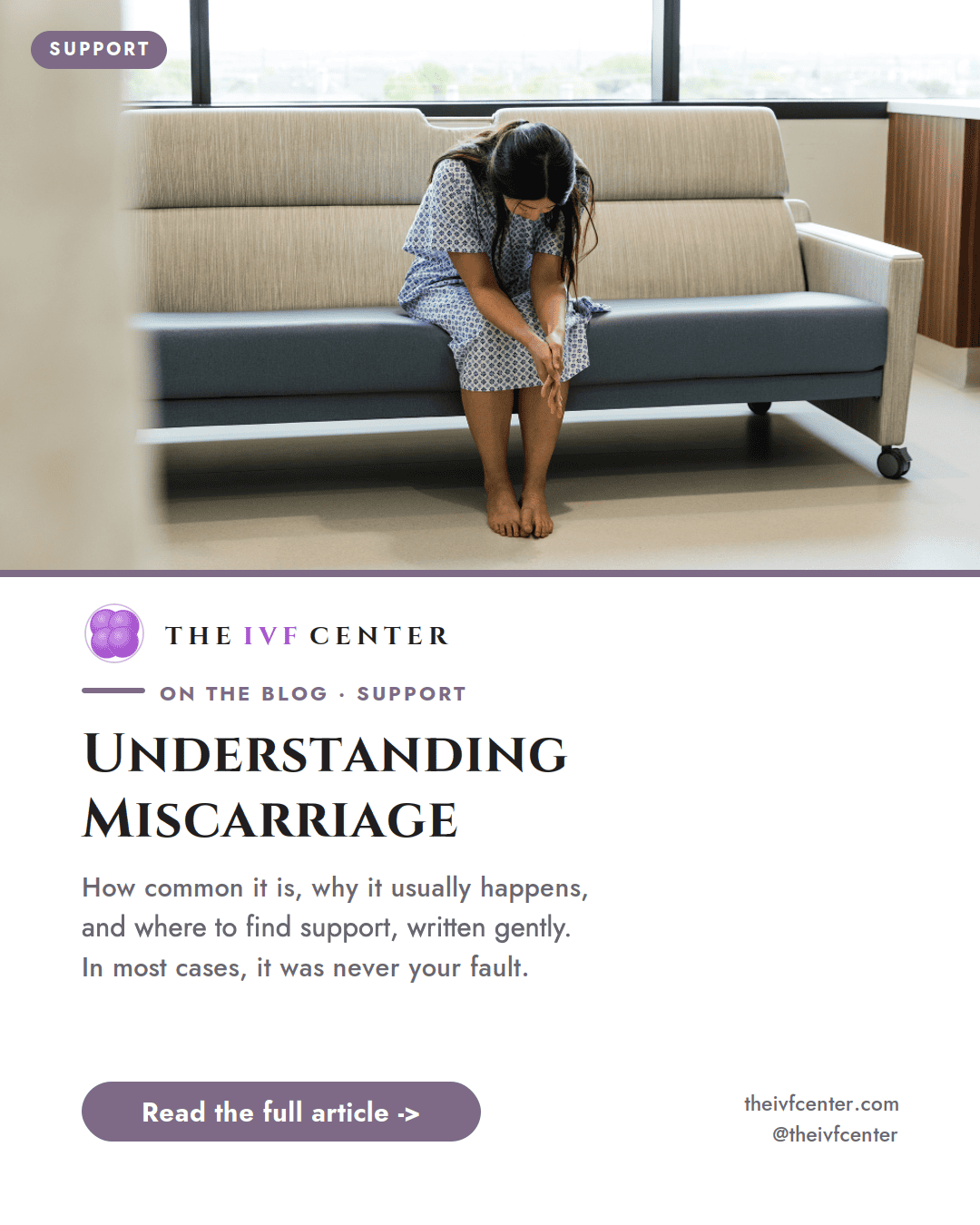
When you’re trying to conceive, few moments carry as much hope as the days after ovulation or an embryo transfer. So when a cycle doesn’t result in a pregnancy, or an early pregnancy doesn’t continue, the disappointment can be profound, even if no one else knew you were hoping. That grief is real and valid, however early the loss.
If this has happened to you, please know two things up front: implantation failure is common, and in the great majority of cases it reflects factors outside your control.
What implantation actually involves
For a pregnancy to begin, several things have to line up in a narrow window of time. An embryo has to be developing normally. The lining of the uterus (the endometrium) has to be thick and receptive. And the two have to meet during the brief “window of implantation,” usually about six to ten days after ovulation. Implantation is less a single event than a conversation between embryo and lining, and there are several points at which that conversation can quietly not happen.
Because so much has to align, implantation not occurring in a given cycle is common even for healthy, fertile couples. It’s one reason conception often takes several months.
The most common reason: the embryo itself
The single most frequent reason an embryo doesn’t implant, or implants and then stops developing, is a chromosomal difference in the embryo. When an egg and sperm combine, the sorting of chromosomes is an enormously complex process, and errors happen often, largely at random. Most embryos with significant chromosomal differences are not able to continue, and nature typically ends these pregnancies very early, often before or around the time of a missed period.
This is worth sitting with, because it carries a kind of hard comfort: when an embryo doesn’t implant for this reason, it is not because of something you did, ate, lifted, or felt. The likelihood of chromosomal differences does rise with age, particularly egg age, which is part of why fertility changes over time, but it is a matter of biology and chance, not effort or worth.
In IVF, preimplantation genetic testing (PGT-A) can sometimes help by identifying embryos with the expected number of chromosomes before transfer, though it isn’t right for everyone and doesn’t guarantee success.
When the uterus or lining plays a role
Sometimes the embryo is healthy but the uterine environment makes implantation harder. Things that can contribute include:
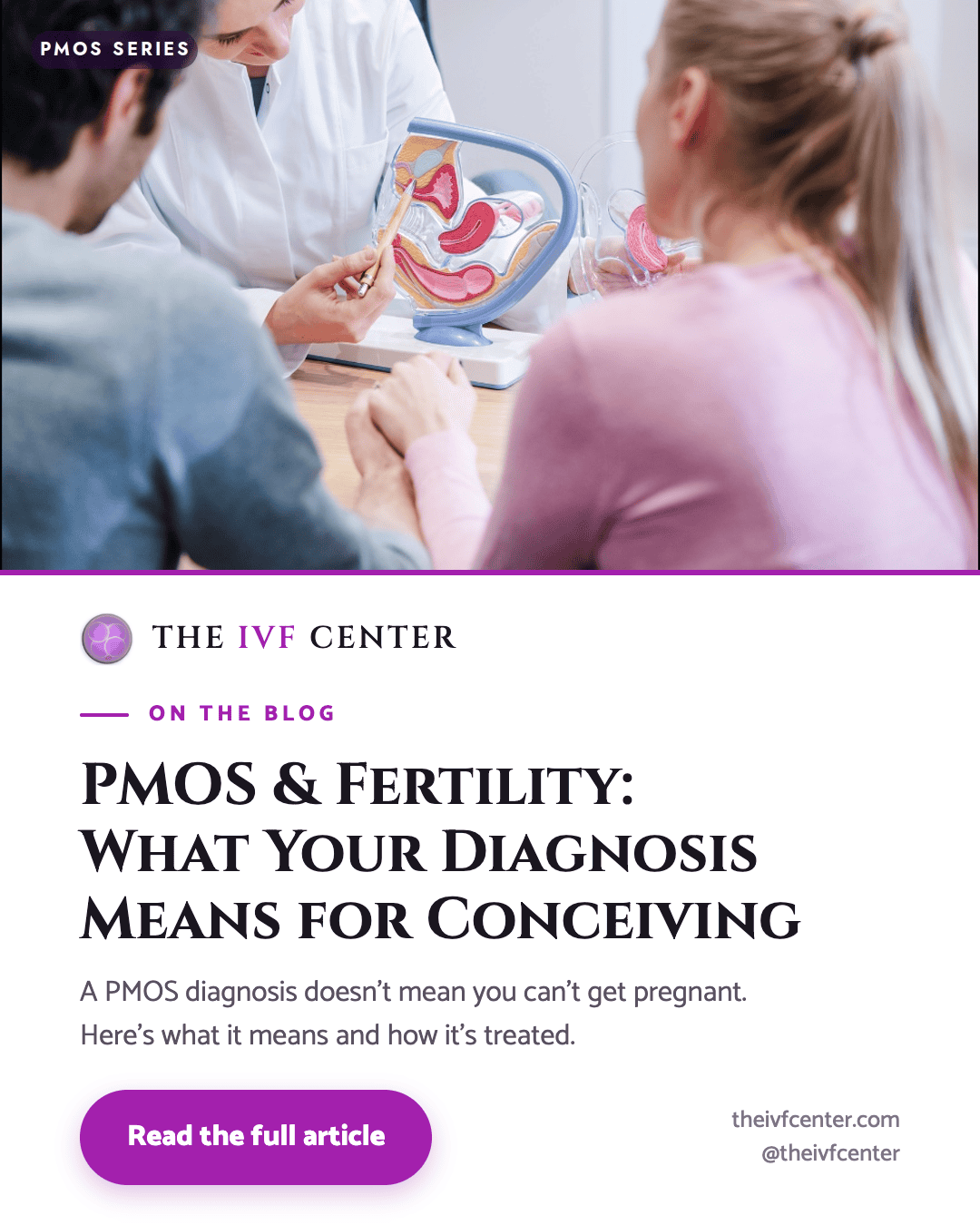
- Uterine structural factors: polyps, certain fibroids (especially those pressing into the cavity), scar tissue (adhesions), or a uterine septum present from birth.
- A thin or under-responsive lining: the endometrium may not build up enough to support implantation.
- Chronic endometritis: a low-grade, often silent inflammation or infection of the lining that can usually be treated with antibiotics once identified.
- Timing: occasionally the window of implantation is shifted, so the embryo and lining aren’t quite in sync.
The reassuring part: many of these are identifiable and treatable. A saline ultrasound or a hysteroscopy (a small camera that looks inside the uterus) can find and often correct structural issues, and endometritis can be tested for and treated.
What about immune or clotting causes?
You may have read about immune system or blood-clotting explanations for failed implantation. This is an area of active research, but for most people the evidence for routine immune testing and treatment is limited, and some proposed therapies are unproven or carry real risks. A good clinic will be honest about what the evidence does and doesn’t support, rather than offering expensive add-ons without clear benefit.
Recurrent implantation failure
When several good-quality embryos have been transferred across cycles without a pregnancy, doctors sometimes use the term “recurrent implantation failure.” Definitions vary, and it’s more a signal to look more closely than a diagnosis in itself. It usually prompts a focused evaluation: a look inside the uterus, a check of the lining and timing, testing for endometritis, a review of embryo quality and (where relevant) genetic testing, and attention to treatable factors like thyroid function or lifestyle.
What can you do
Much of implantation is chance, and no one can control that. But some things are worth reviewing with your care team: evaluating the uterine cavity, confirming the lining is developing well, checking for silent inflammation, optimizing thyroid and other hormones, and addressing factors like smoking or significant weight change that have modest but real effects. If you’ve had more than one unexplained failed cycle, it’s reasonable to ask for this closer look.
A word on grief
Loss at the stage of implantation is often invisible to the outside world, which can make it lonelier. There may have been no positive test to show anyone, no due date to name. That does not make it small. If you’re grieving, you’re allowed to, and support can help.
Support and resources
- Postpartum Support International (PSI) HelpLine: call or text 1-800-944-4773, free, confidential perinatal mental health support, including for loss.
- SHARE Pregnancy & Infant Loss Support: nationalshare.org
- Our team: if you’d like to talk through your cycles or a plan, we’re here.
[Book a call with a Care Navigator]
________________________________________________________
This article is for general information and is not a substitute for personalized medical advice. Please speak with a qualified healthcare professional about your individual situation. If you are in emotional crisis, contact your local emergency number or a crisis line right away.